What a Smart Shutoff Actually Does
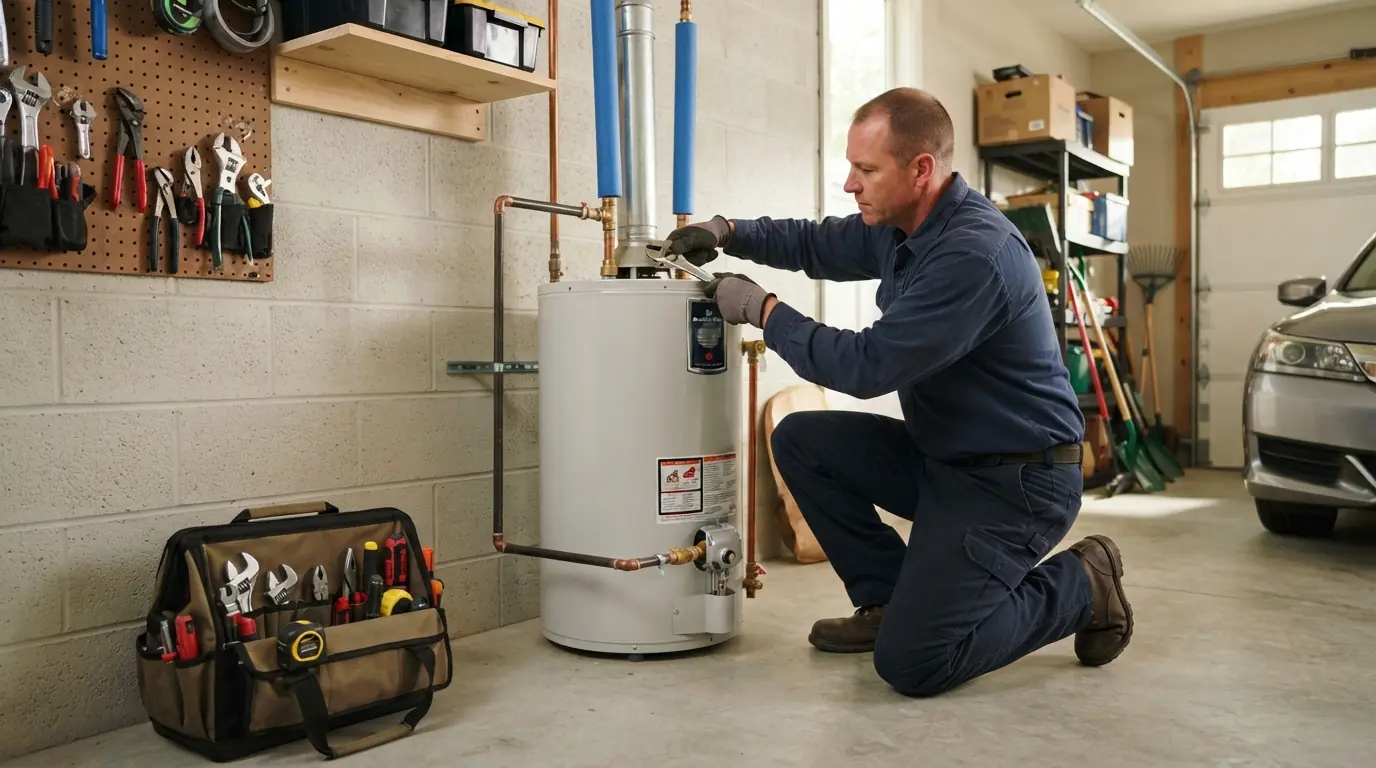
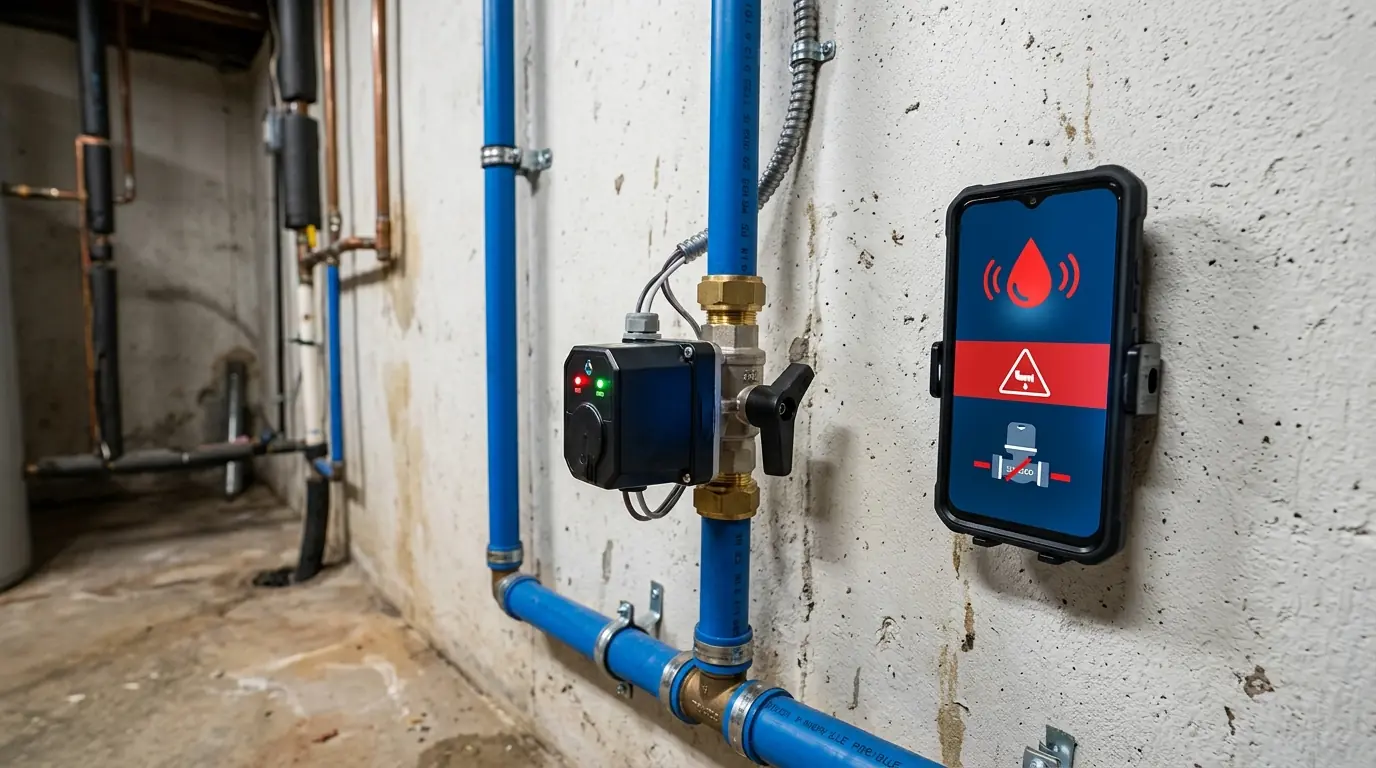
There are two main types. A flow monitor sits on the main line and learns how water is normally used in the house. When it sees water running in a way that looks like a leak, such as a steady flow for hours or water moving while nobody is home, it closes the valve and sends an alert.
A sensor system puts small leak detectors on the floor near the water heater, washer and sinks. When one gets wet, it tells a motorized valve on the main to close. Many homes combine the two, and both can be closed or reopened from a phone.
Where It Pays Off Most
The biggest payoff is a house nobody is in. A pipe that splits in a freeze while a cabin or lake house sits empty can run for days before anyone notices, and that water ends up in floors, walls and furniture. A smart shutoff closes the main within minutes and tells the owner at once.
Rental properties and cabins in Sevier County are the classic case, along with second homes, houses on the market and homes where the owner travels in winter. Our Sevier County page covers why empty cabins freeze, and a smart shutoff installation is how most owners protect them.
Older Plumbing and Finished Basements
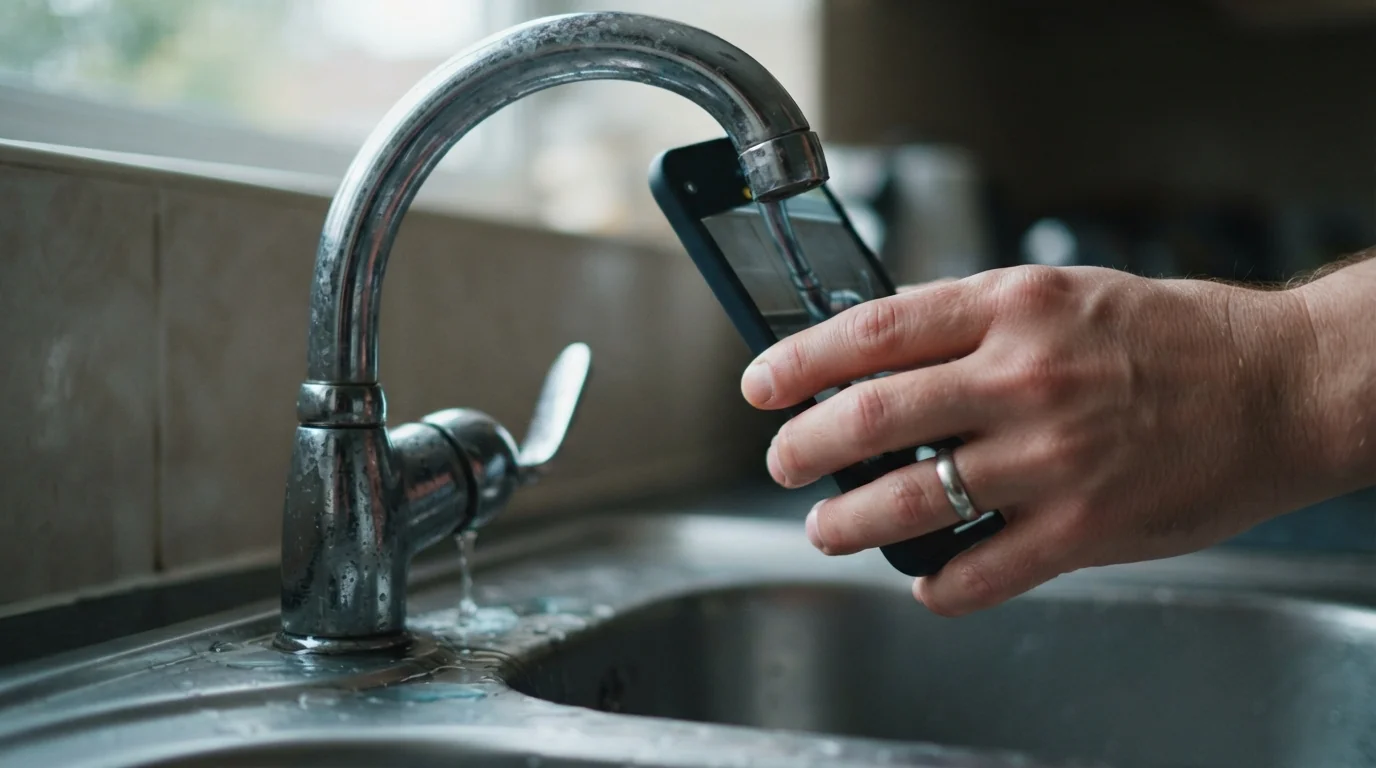
In a house with older supply lines, a failed connector or a split in a wall is more likely, and a finished basement turns a small leak into an expensive one. A flow monitor that catches water moving inside a wall, not just on the floor, is worth more there than in a new house with fresh PEX and nothing finished below grade.
Leaving a house empty this winter? Call us about a shutoff.
(865) 344-9122When Leak Sensors Alone Are Enough
For a full-time home with newer plumbing, someone there most days and no finished basement, a handful of leak sensors near the water heater, washer and sinks may cover most of the risk. They are cheap, run on batteries for a year or more, and catch the slow drips that cause most appliance damage. You can add a shutoff valve later if you want the system to close the water as well as warn you.
The Limits Worth Knowing
A smart shutoff does not prevent a leak; it limits the damage once one starts. It also needs power at the valve and, for phone alerts, a Wi-Fi signal near the main line. Most valves still close if Wi-Fi drops, but you will not hear about it until the connection is back.
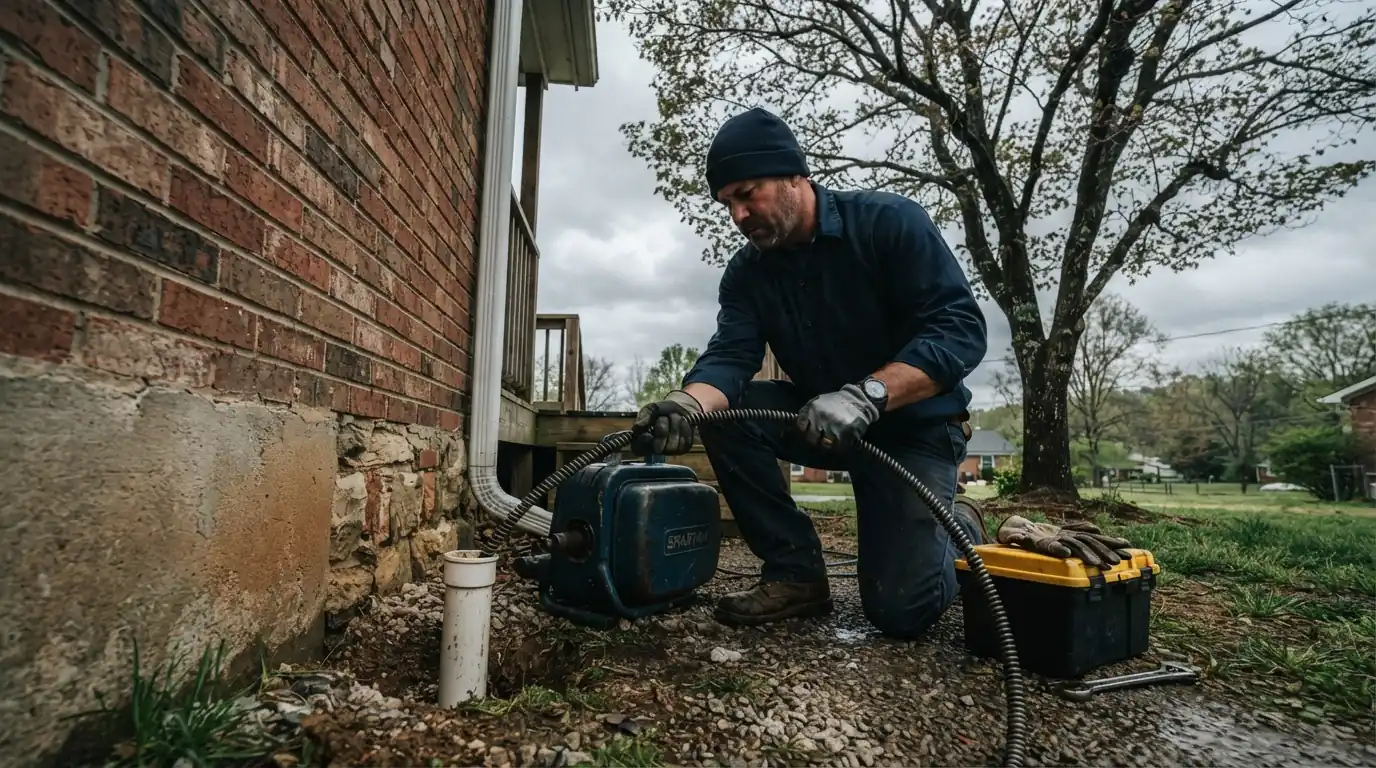
It also does nothing for a slow drain leak, which is water leaving the house rather than entering it. And it needs a working main line to begin with: if your current shutoff is seized or leaking, replace it first, which our main shutoff valve replacement page explains.
What to Ask Before You Buy One
Check the size of your main line, whether there is power and Wi-Fi near it, and whether the valve keeps a manual override so you can always turn the water on or off by hand. Ask whether the system can run in a vacancy mode for empty houses and whether it can add low-temperature alerts, which warn you before pipes freeze rather than after.
Smart Shutoff Questions
Do smart shutoffs work during a power outage?
Most need power to close; some have battery backup. Ask before you buy.
Will it shut my water off for no reason?
Rarely once it learns your use, and you can reopen it from your phone.
Is it worth it for a full-time home?
Often a few leak sensors are enough; add a valve later if you want.
Can it warn me about freezing?
Many systems add low-temperature alerts.
Does homeowners insurance care?
Some insurers offer discounts; check with yours.