The Warning Signs, From the Inside Out
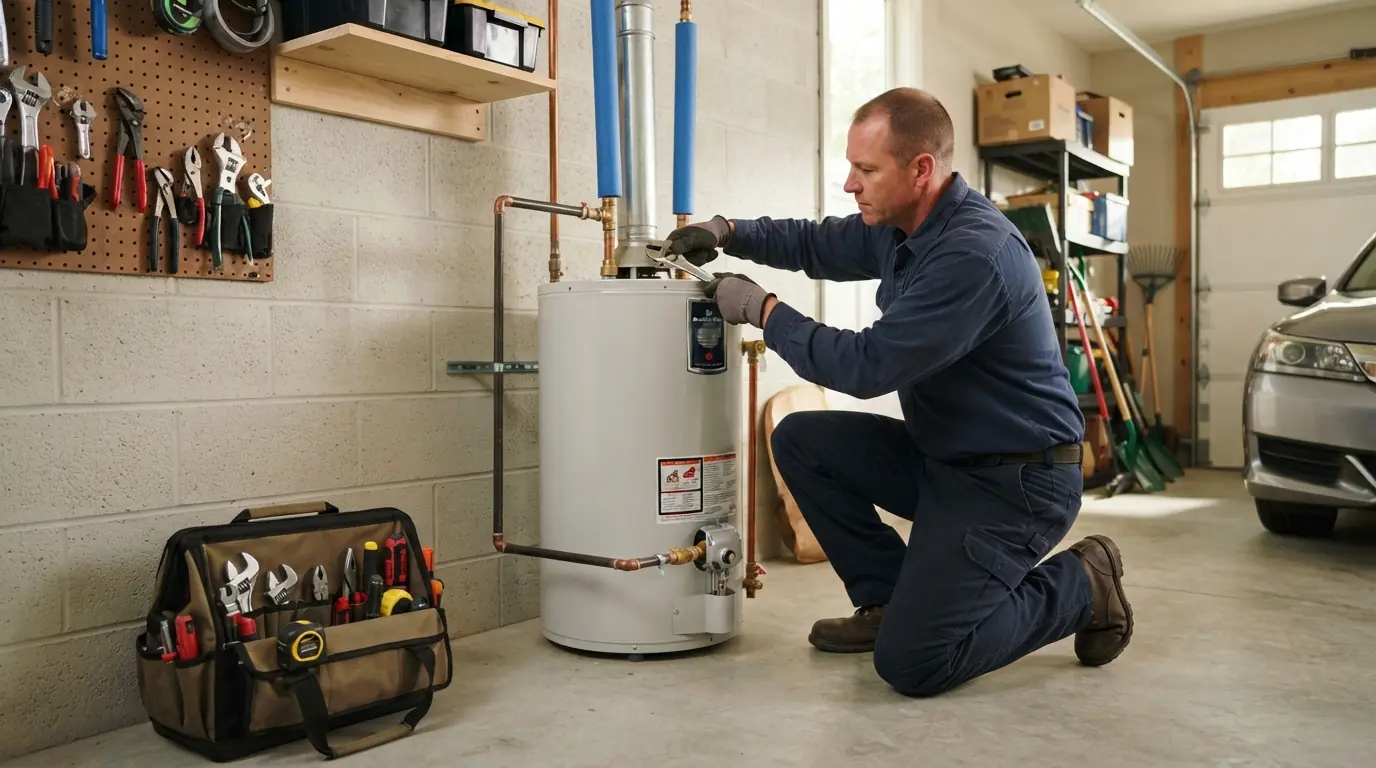
Inside, watch for more than one drain misbehaving at once. A tub that fills when the toilet flushes, a floor drain that backs up when the washer empties, or toilets that gurgle when a sink drains all point past any single fixture to the main line. A drain that clogs again weeks after being cleared is another.
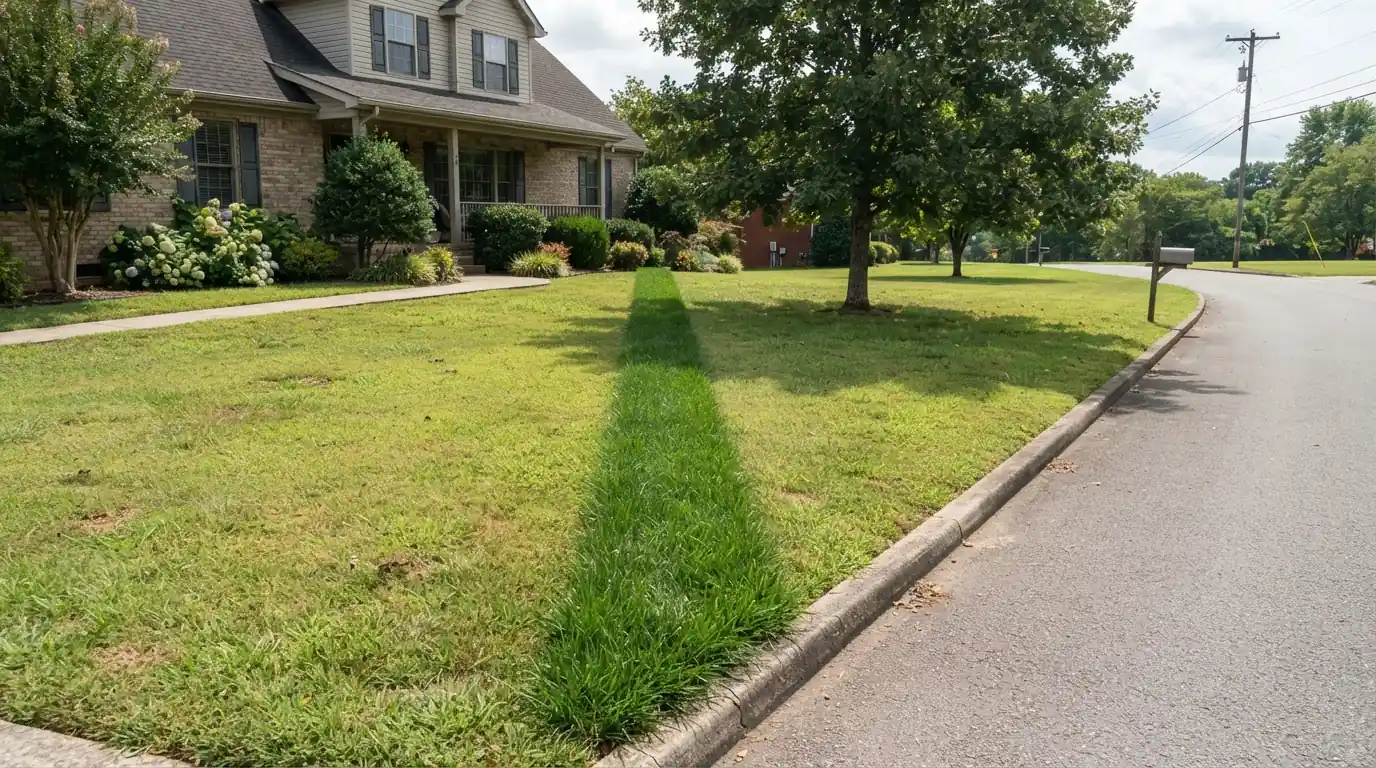
Outside, the signs are in the yard. A patch that stays soggy in dry weather, a hollow forming over the line's route, a sewage smell near the cleanout, or one strip of lawn growing greener and faster than the rest, fed by what is leaking beneath it.
What Is Usually Going Wrong Underground
Most sewer failures around Knoxville trace to pipe laid before 1980. Clay tile laterals let roots in at every joint; cast iron corrodes from the inside; and Orangeburg, a tar-and-fiber pipe used from the 1940s into the 1960s, flattens under the weight of the soil until nothing passes.
The ground adds its own stress. Knoxville's clay soil swells when wet and shrinks when dry, and the lateral, usually 2 to 6 feet down, moves with it every season. Joints open, sections shift into offsets, and the tap at the main takes the strain.
Clog or Collapse? Why the Camera Decides
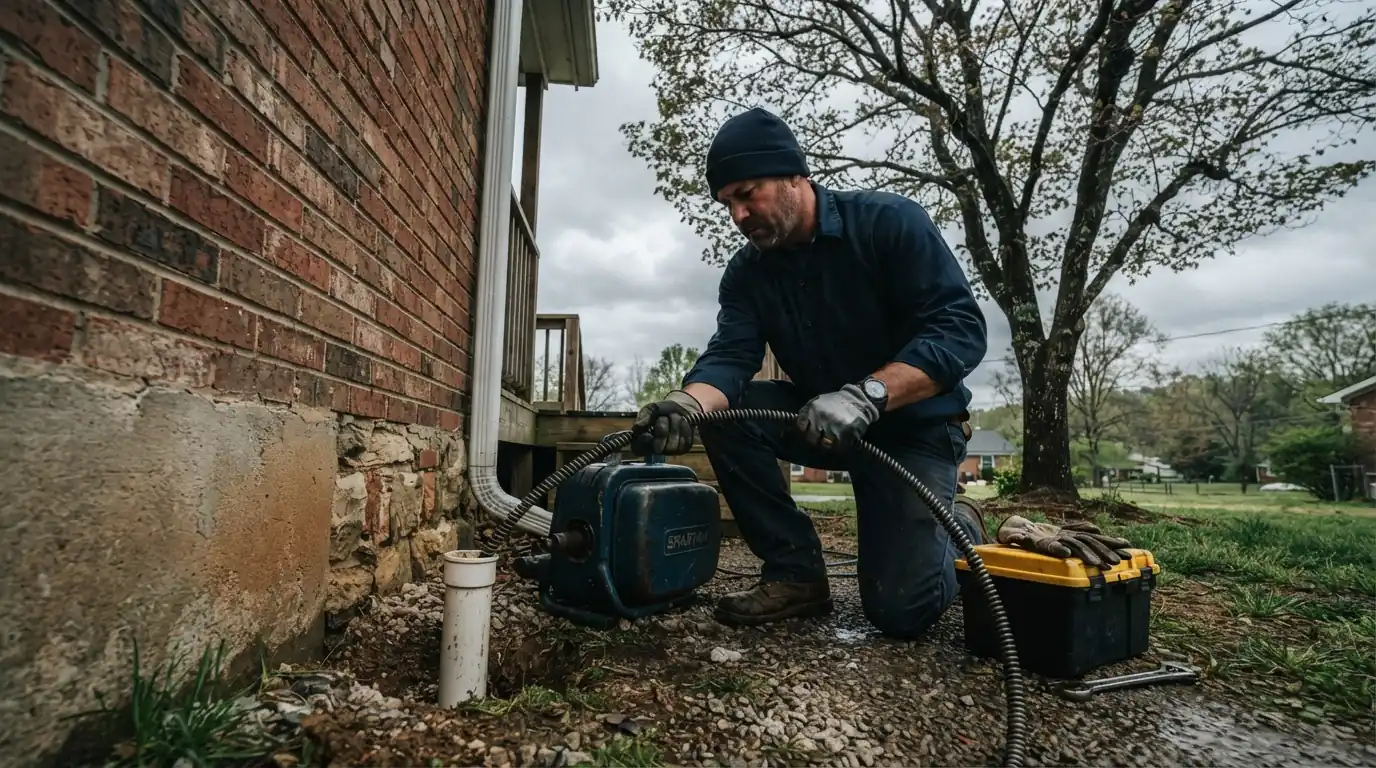
A clog and a collapsing line produce the same backup, and the only reliable way to tell them apart is to look. A sewer camera inspection runs a waterproof camera from the cleanout to the main, records the pipe material, roots, cracks, offsets and sags, and marks each problem's depth and location on the ground.
That footage protects you in both directions. It stops a simple clog from being sold as a replacement, and it stops a failing line from being cleared again and again while the damage grows.
Backups coming back? Get the line on camera.
(865) 344-9122Your Options Once You Know
One bad joint in a sound line is a spot repair: a single pit and a few feet of new pipe. A damaged section under a driveway or tree may take a short liner instead. A line that's round but failing along its length can often be lined end to end, and a collapsed or Orangeburg line can usually be replaced by pipe bursting, both covered under trenchless sewer repair.
When the line has sagged, or the route has to change, open-trench sewer line replacement is the honest answer.
What Not to Do in the Meantime
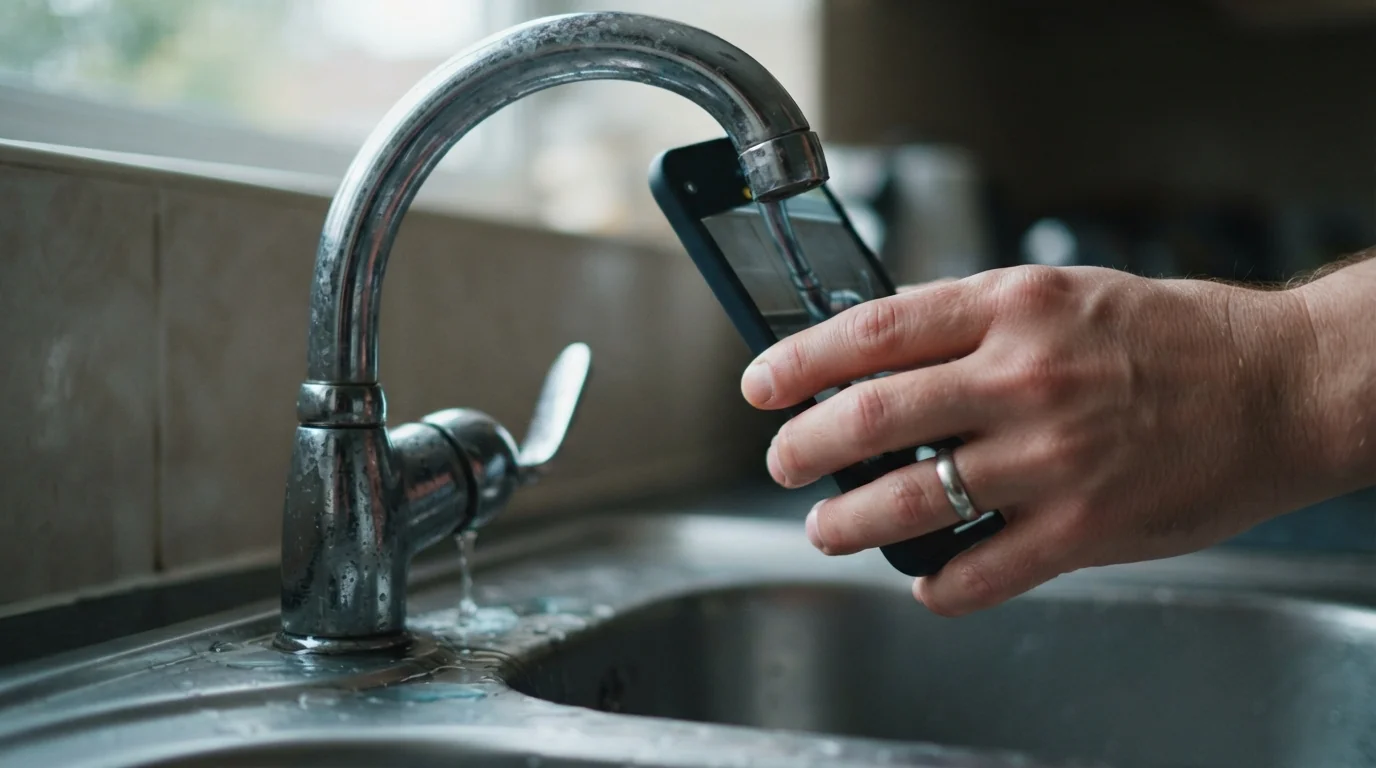
Do not pour chemical drain cleaners into a line you suspect is failing; they rarely clear a main line and they make the next repair hazardous. When sewage is backing up, stop running water everywhere in the house, including the washer and dishwasher, until the line is cleared. And don't wait for the yard to cave in; a partial collapse only gets worse.
Sewer Line Questions
How long do sewer lines last?
It depends on the material: clay often 50 to 60 years, cast iron longer, Orangeburg much less.
Is a sewer backup always a broken line?
No. Many are simple clogs; a camera tells them apart.
Who is responsible for the sewer lateral?
Usually the homeowner, up to the main or property line depending on the utility's rules.
Can tree roots be removed for good?
Cutting helps for a while; sealing or replacing the open joint keeps them out.
Does insurance cover a failing sewer line?
Wear and deterioration are usually excluded; some policies offer a service line rider.